Clouds To Poem
Interactive Experience
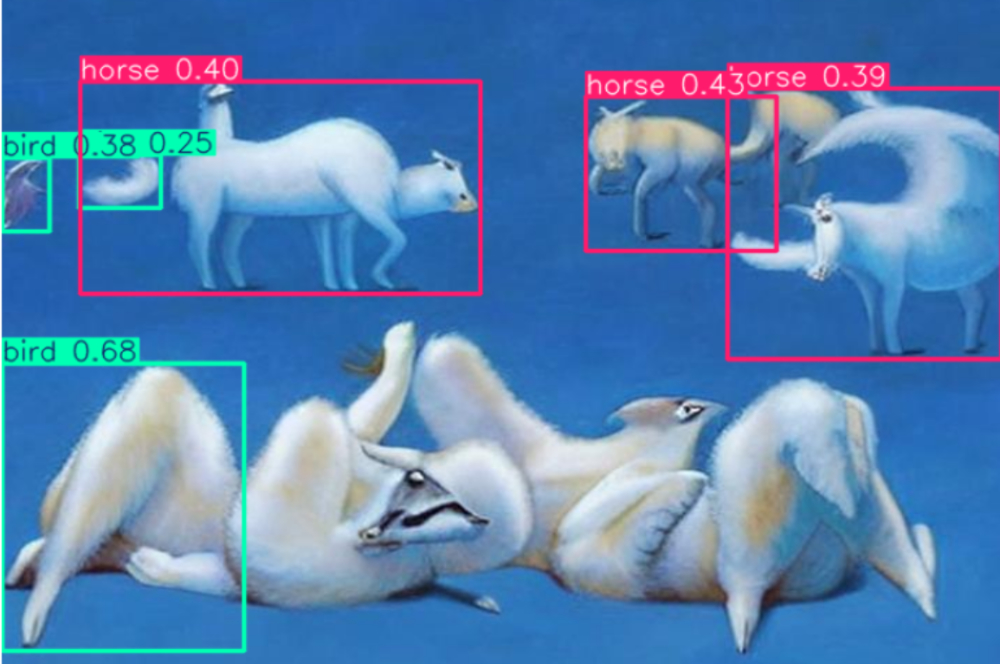
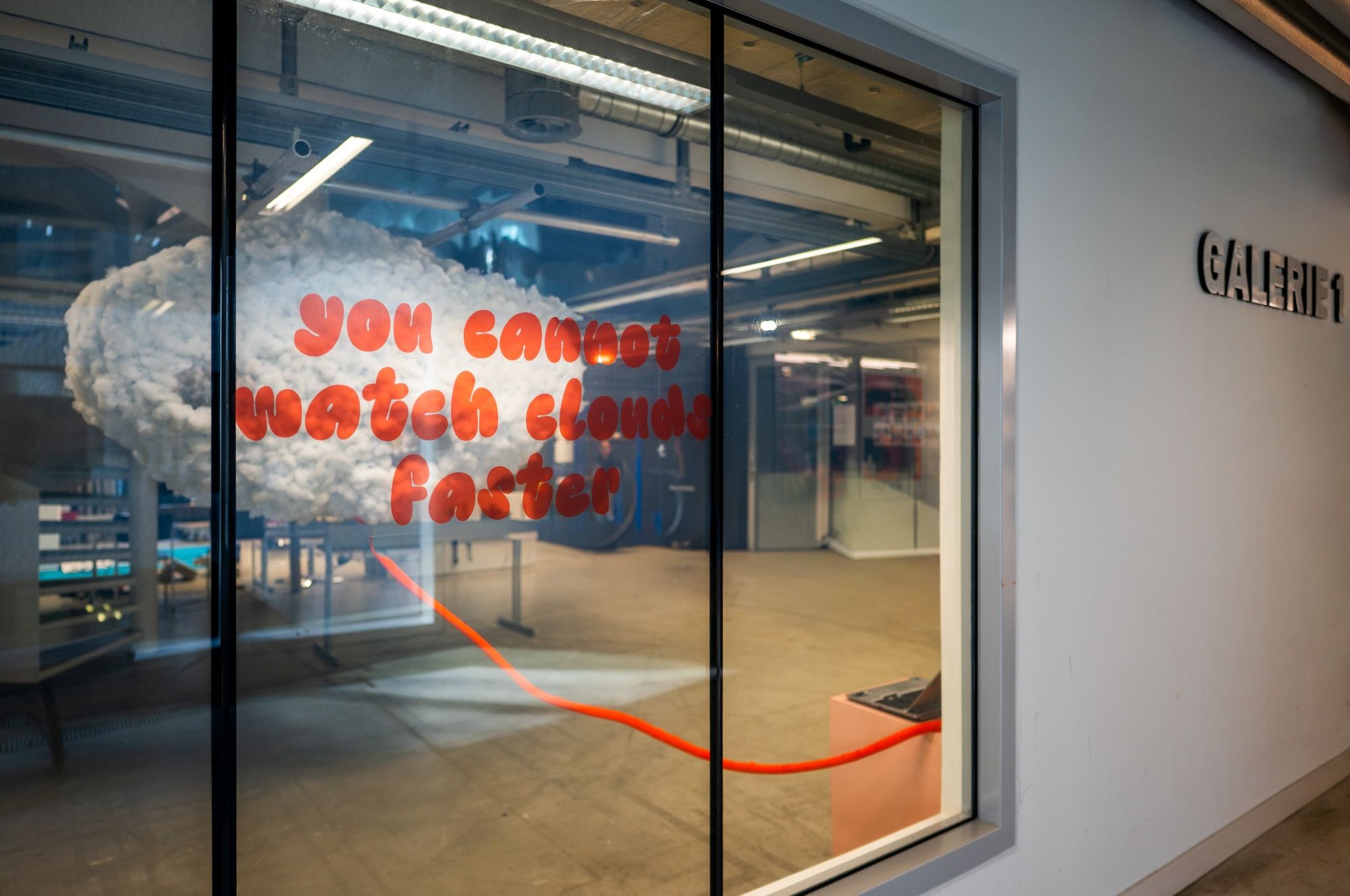
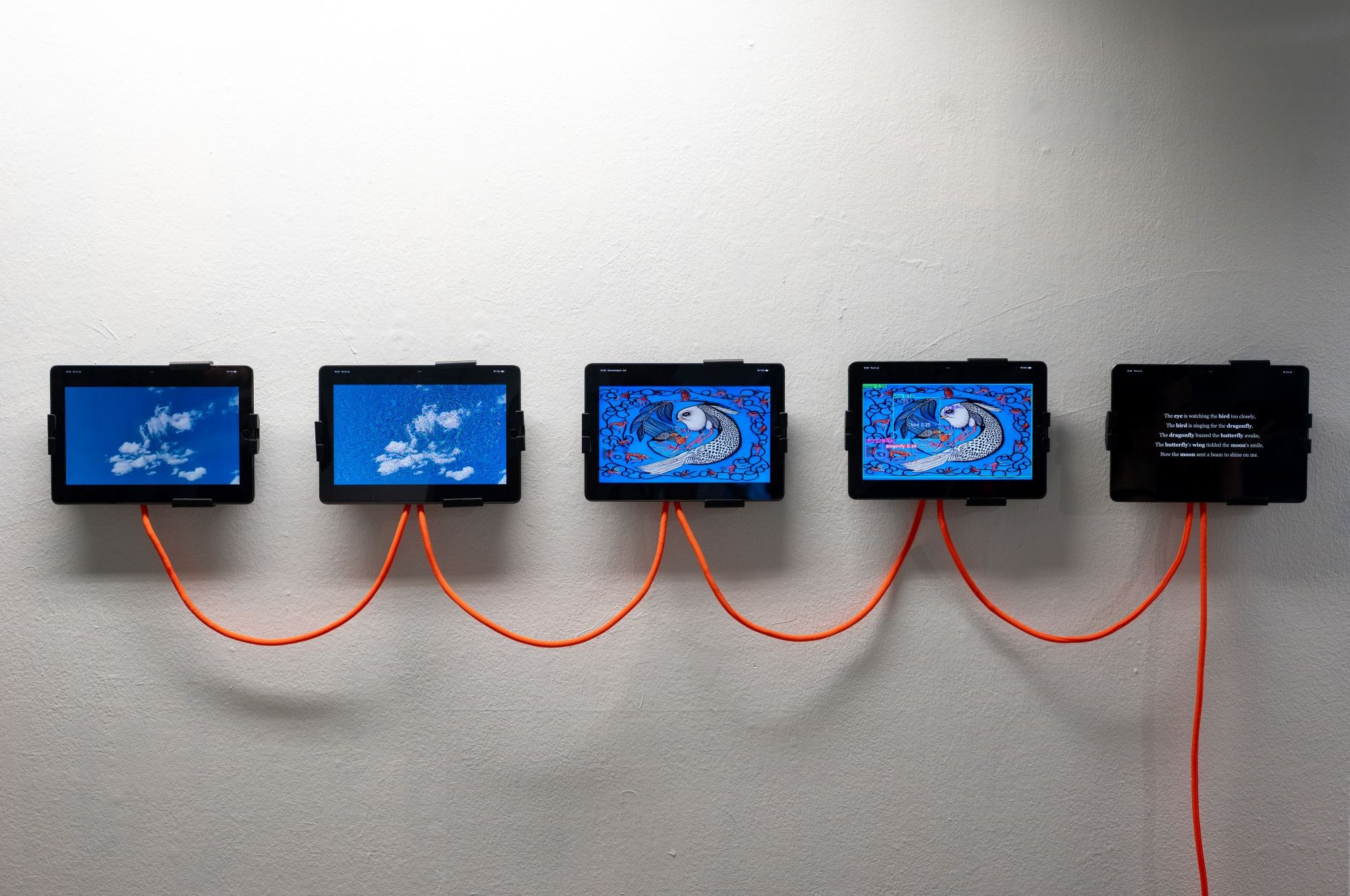
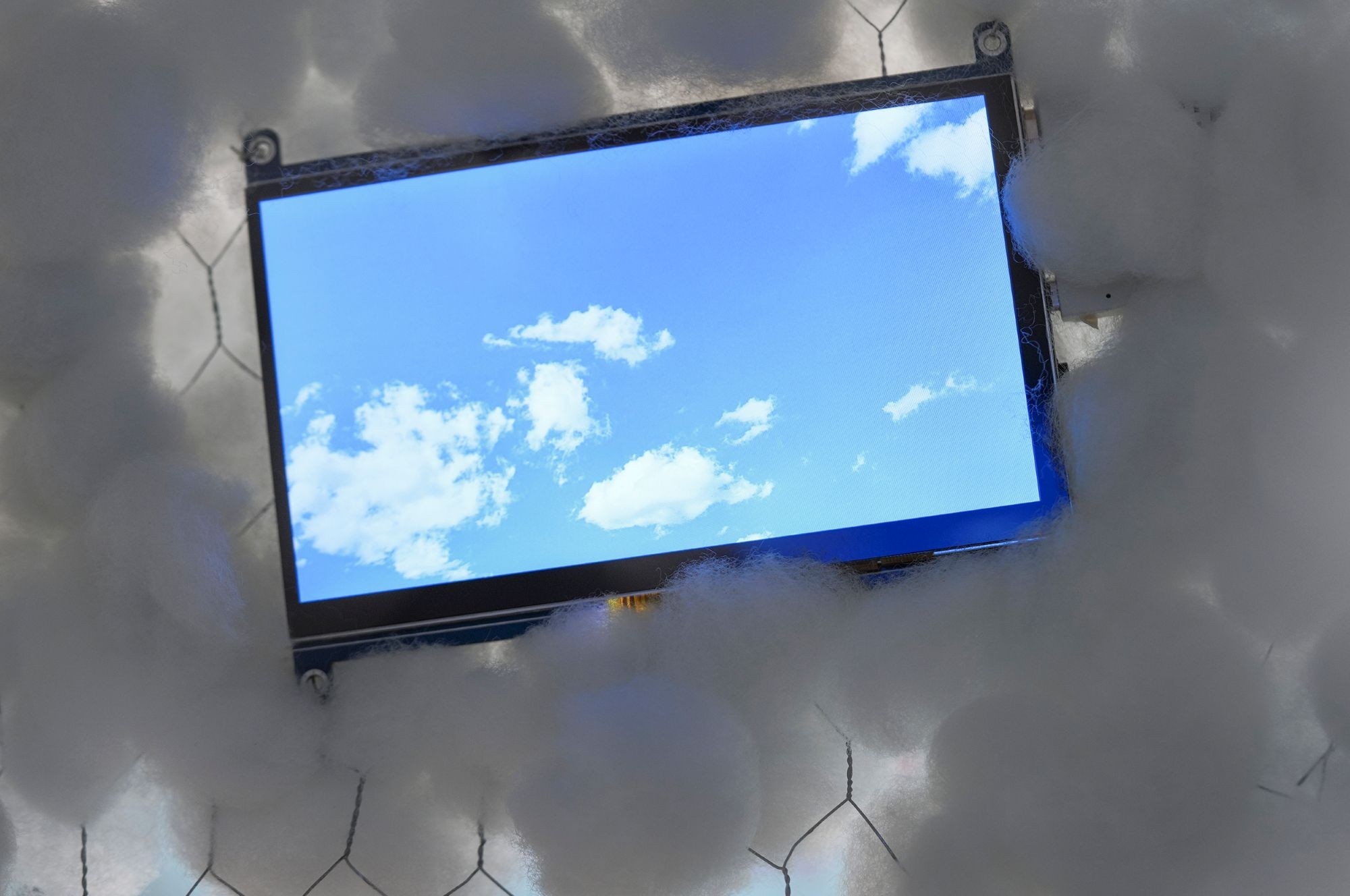
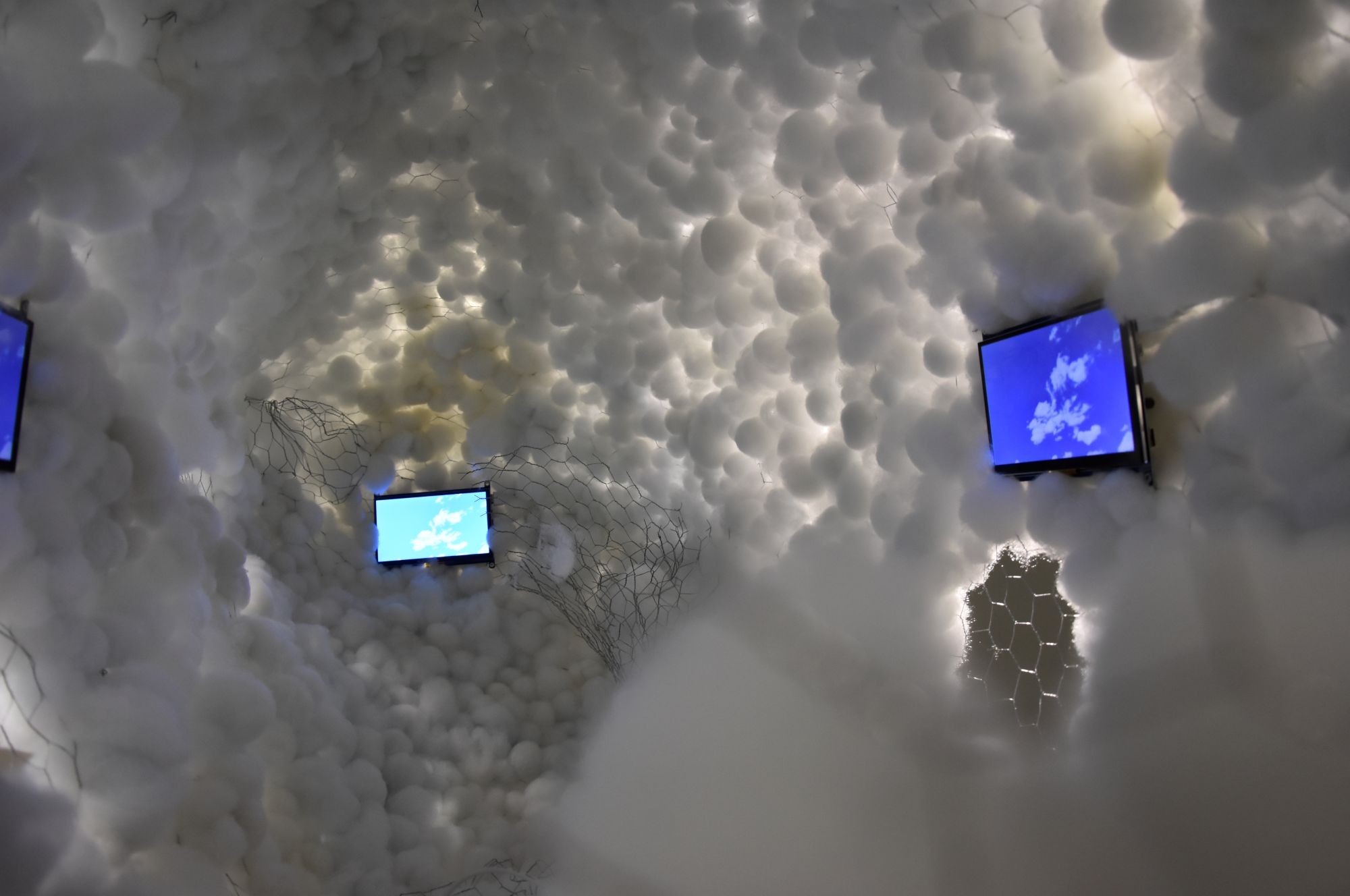
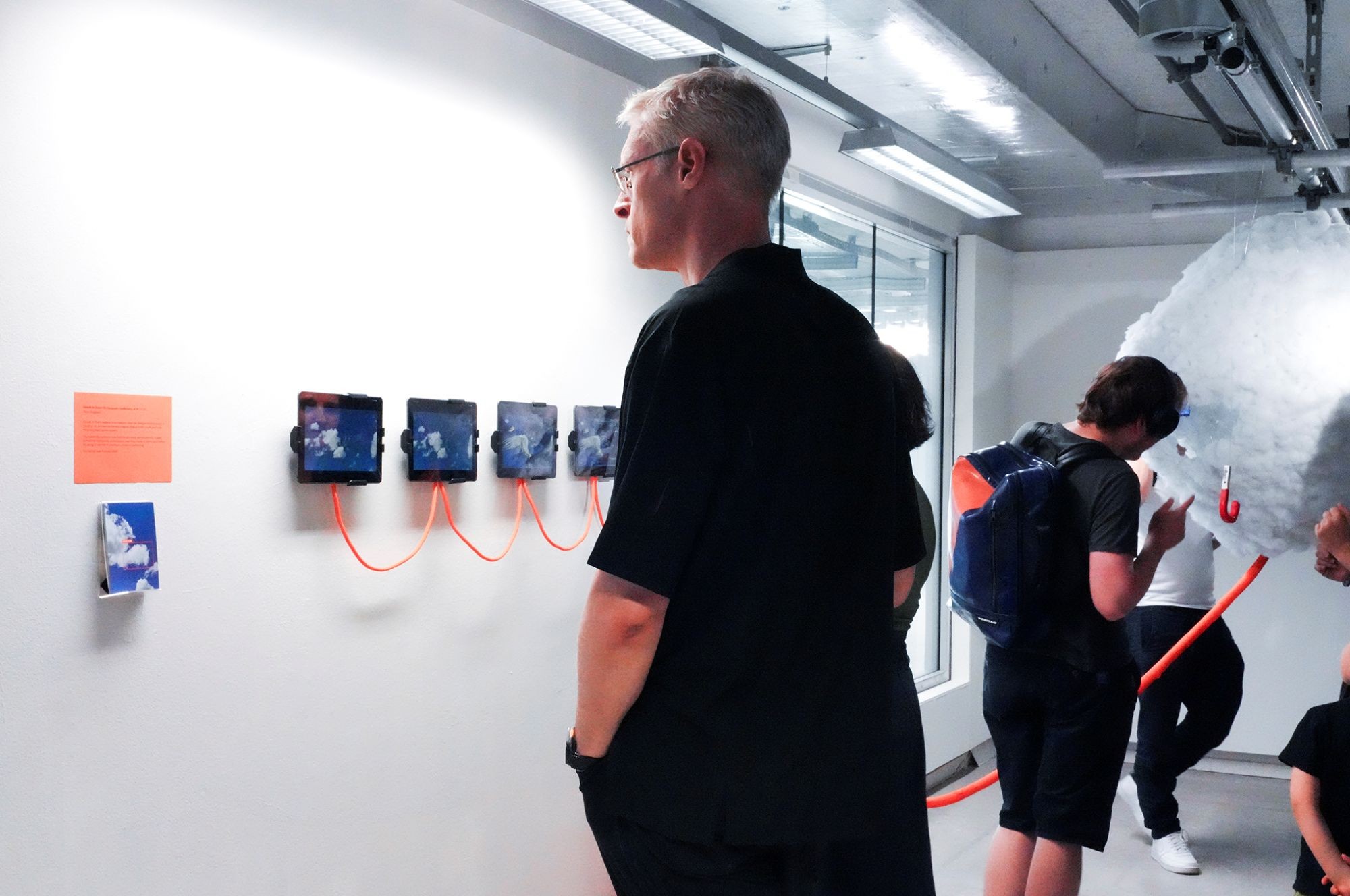
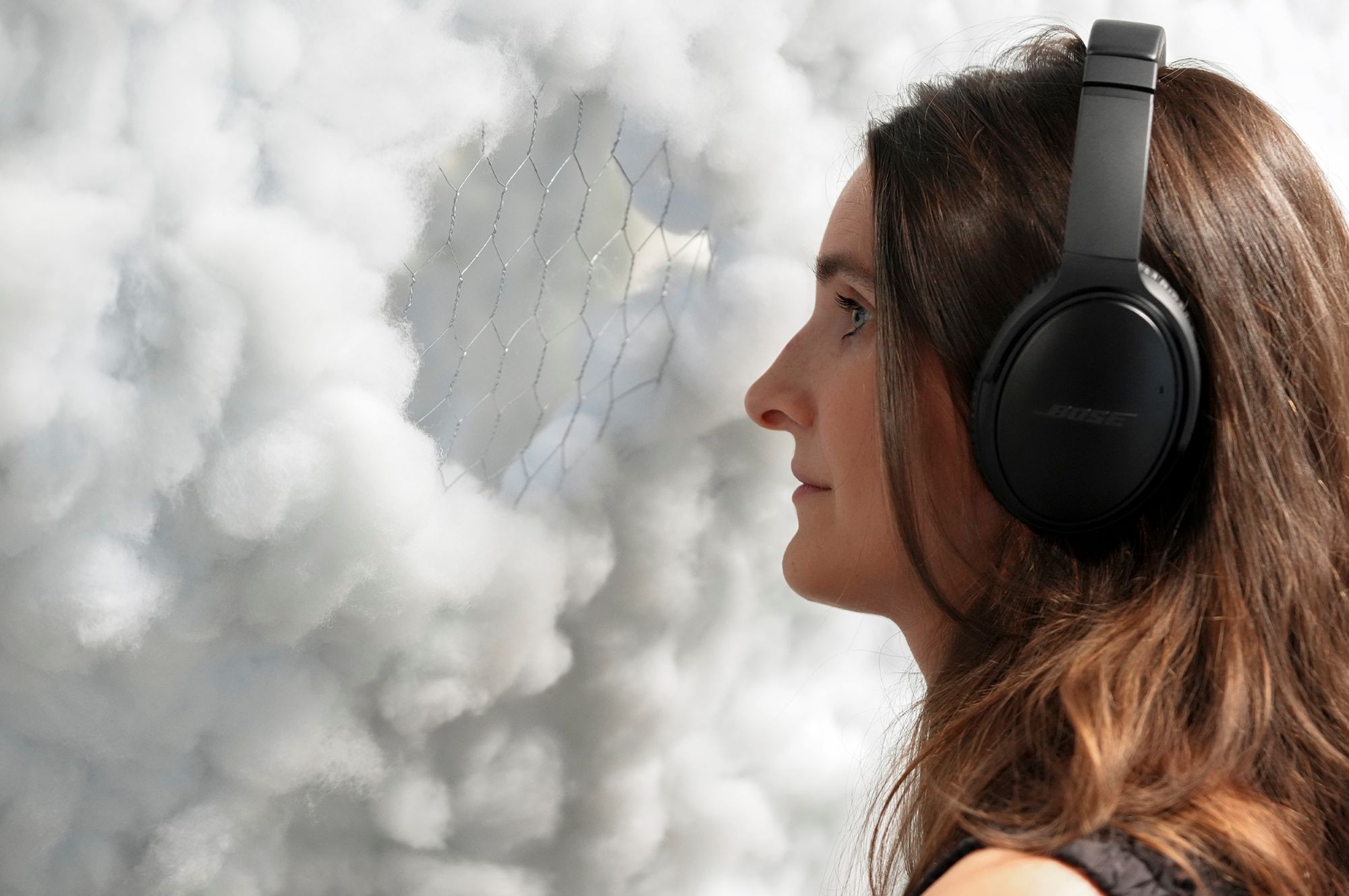
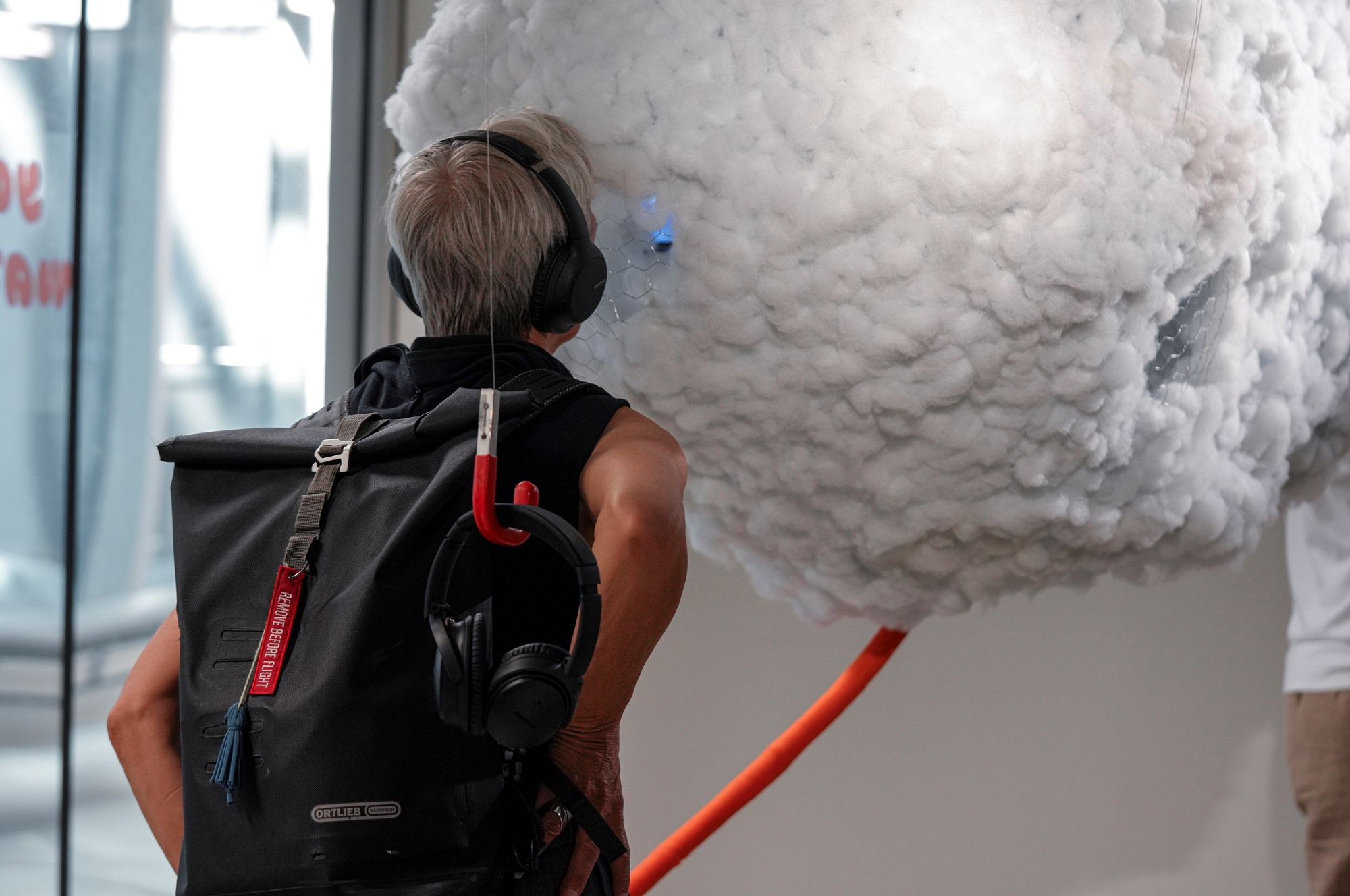
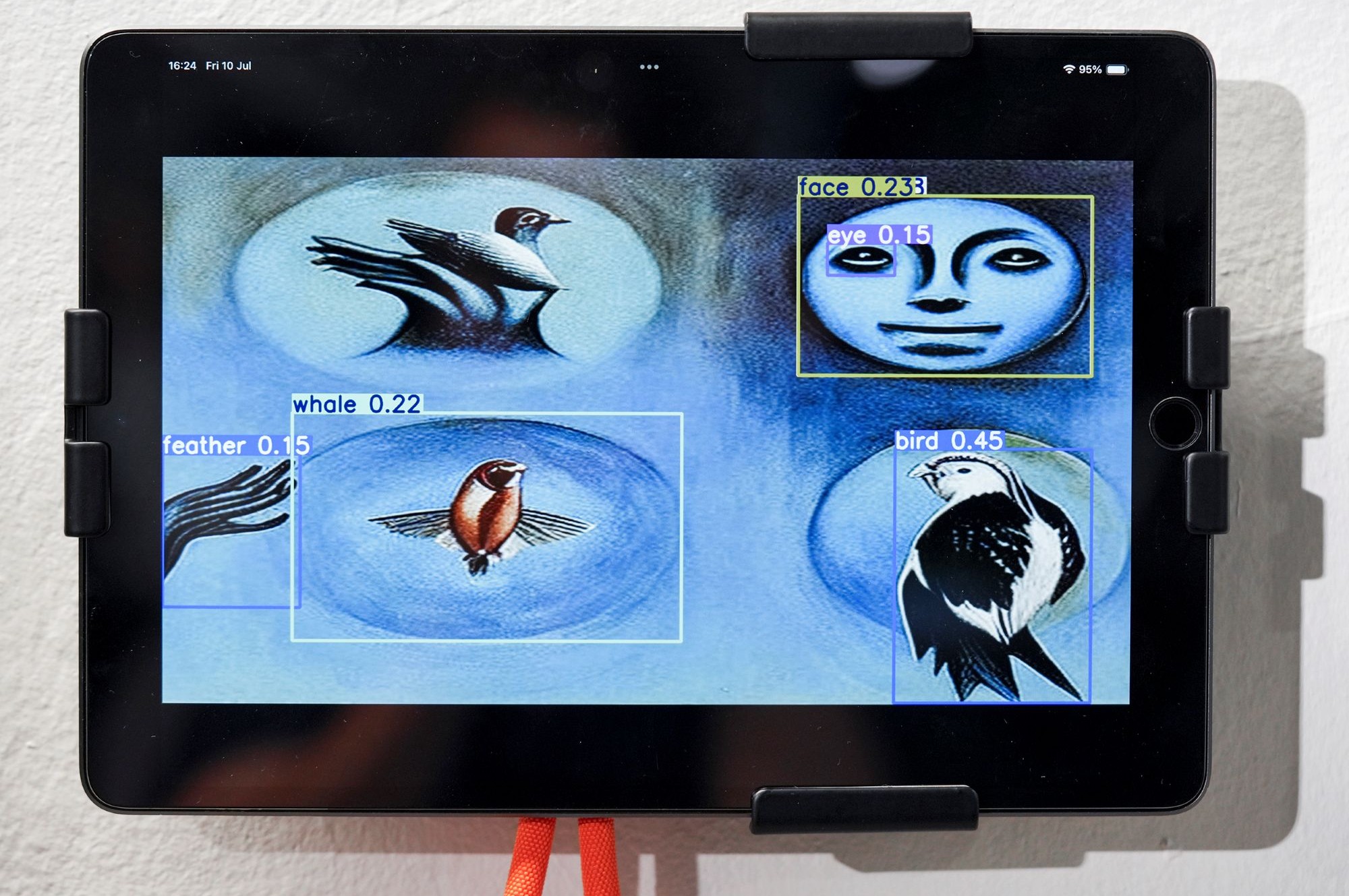
Clouds to Poem asks what happens when we delegate the distinctly human, purposeless act of daydreaming to a machine. A cloud sculpture made of wire mesh and covered in polyester fiberfill hangs from the ceiling. Inside, three hidden screens show a continuous video of a cloudy sky, and a voice speaks poems from within. Along the wall, five screens expose the machine's internal process: the captured sky, the amplified pattern, the synthesized image, the detected objects, and the generated poem.
A machine is watching the sky, looking for objects or creatures, and writing poems about what it thinks it sees.
The work explores poetic inefficiency as a form of resistance against optimization culture. Artificial intelligence is engineered to maximize efficiency, classify data, deliver highly productive results. This installation deliberately misuses these capabilities by tasking an AI pipeline with the radically unproductive act of cloud staring. Pattern recognition is applied where there is no correct answer. A system designed for productivity is tasked with purposelessness. The machine works hard at doing nothing.
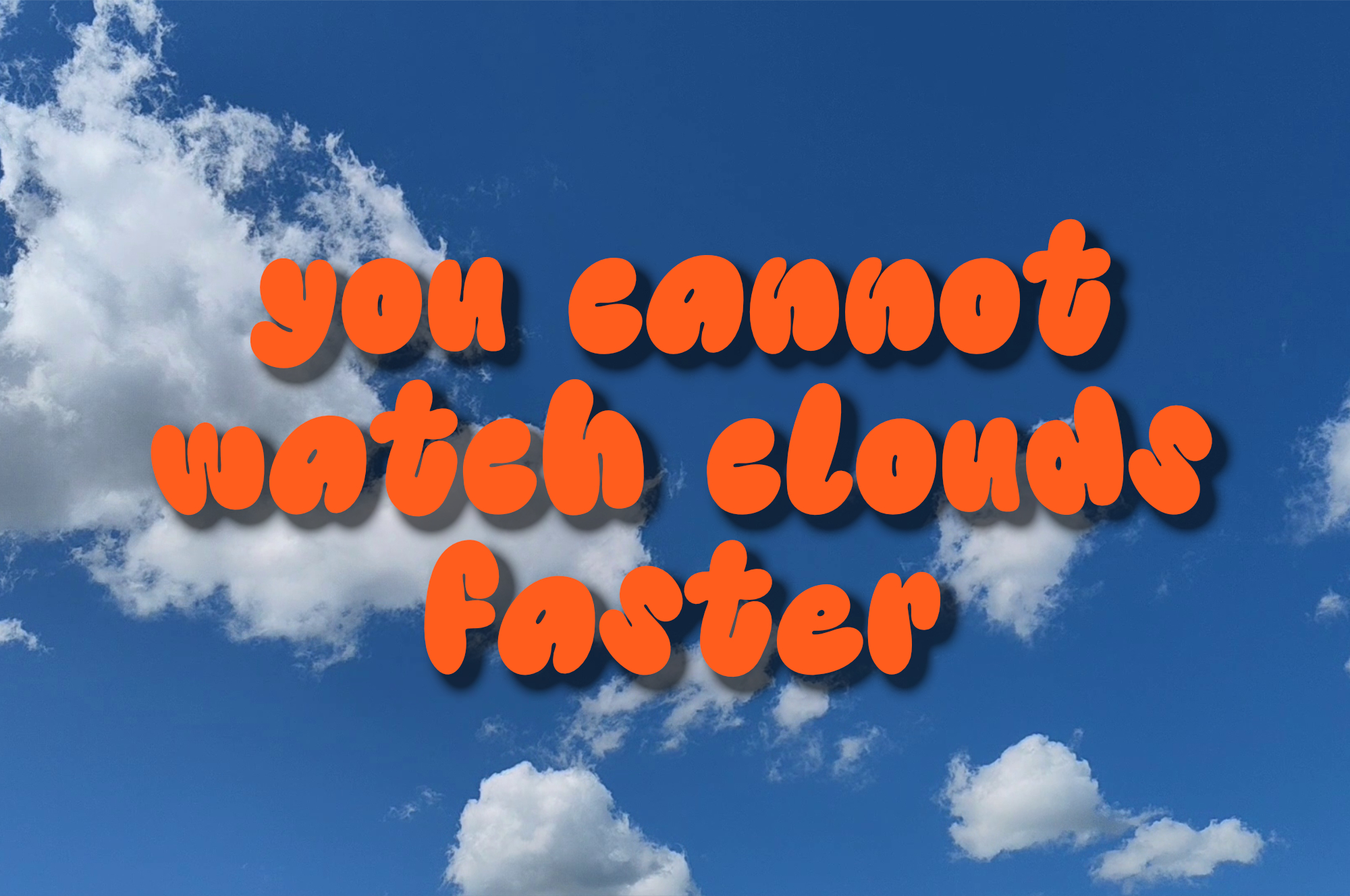
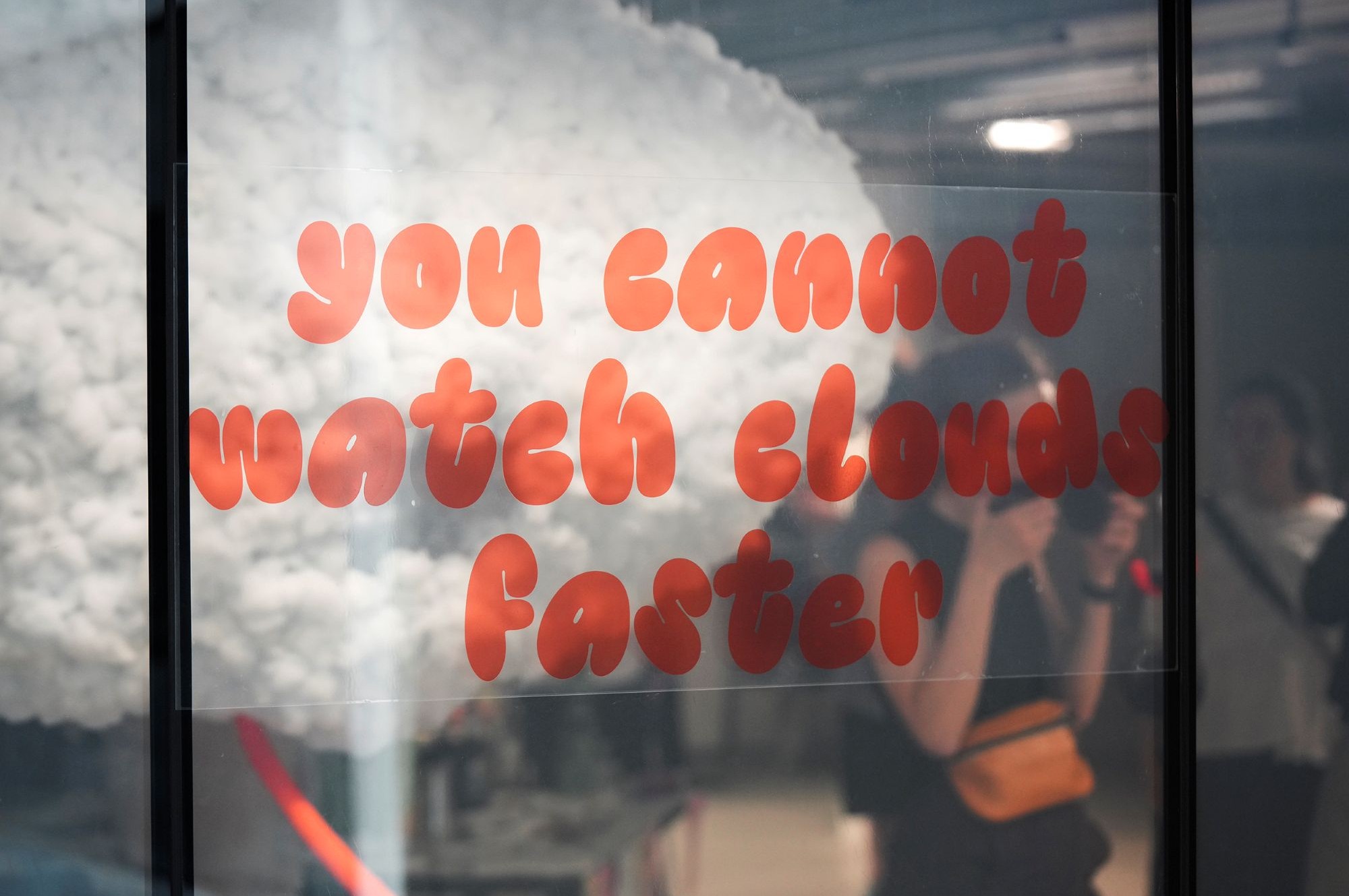
You cannot watch clouds faster.
The work is part of the series Poetic Inefficiency: installations that deliberately misuse AI for purposeless, contemplative ends.
Photography: Veronika Giger, Katja Vaghi, Jordi Boggiano